Sleep Environment · Bedding
A Practical Guide to Mattress Protectors: Breathability, Fit, and Care
A mattress protector should do its quiet work in the background: helping shield the mattress from spills, dust, and daily wear without making the bed feel hot, noisy, or awkward. Here’s how to choose one that fits well, feels comfortable, and stands up to regular care.
A fresh set of sheets can make a bed feel newly inviting. A mattress protector is less noticeable, but it can be just as useful. This fitted layer sits between the mattress and sheets, helping catch everyday messes before they reach the sleep surface. The right one can provide practical protection while keeping the feel of the bed largely unchanged.
Shopping for a mattress protector is not simply a matter of choosing “waterproof” or “not waterproof.” Materials, construction, mattress depth, laundering instructions, and the sleeper’s comfort preferences all matter. A protector that is too small can tug loose; one that traps heat can make a comfortable mattress feel stuffy. And a protector that is washed or dried against its care instructions may shrink, lose its fit, or wear out sooner than expected.
For Minnesota households, the changing indoor conditions through the year are worth considering, too. A bedroom may feel cool and dry during a long winter heating season, then warmer and more humid in summer. A mattress protector does not control the room climate, but its material and layering can affect how the sleep surface feels. A thoughtful choice starts with the mattress and the people using it, then accounts for how the bed is maintained throughout the seasons.
What a mattress protector is meant to do
A mattress protector is a removable cover or fitted layer designed to reduce the amount of moisture, dust, skin debris, and routine wear that reaches a mattress. Some protectors focus on basic surface coverage; others add a waterproof membrane to help guard against spills and accidents. They are not the same as thick mattress pads, which generally add cushioning, nor are they a substitute for cleaning or addressing a persistent moisture problem.
Protection can be helpful in everyday situations: a drink tipped over at bedtime, a child’s nighttime accident, pet-related mess, or the ordinary accumulation that comes with regular use. A barrier may also be useful for keeping the mattress surface cleaner between deeper household cleaning routines. What it cannot do is make a mattress immune to damage, remove allergens from a room, or replace appropriate medical advice for allergies or respiratory concerns.
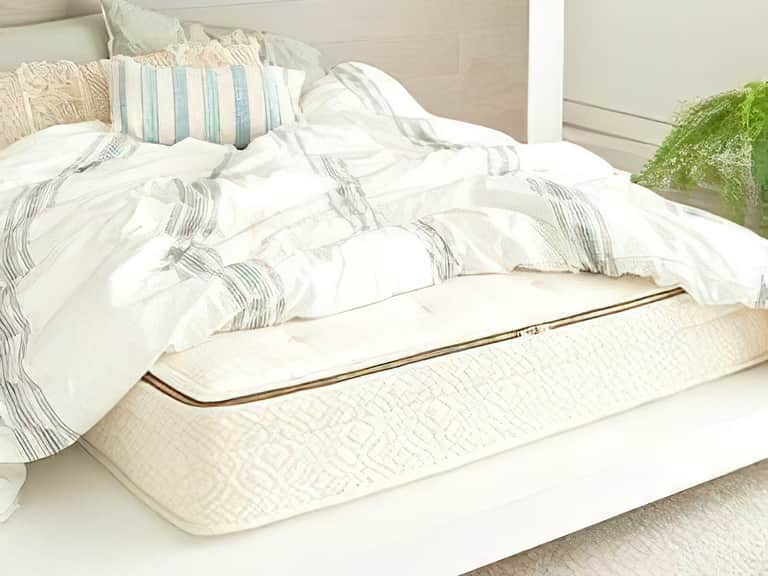
Think of the protector as one part of a layered sleep setup. It should fit over the mattress, beneath the fitted sheet, without bunching or changing the support the mattress provides. If a bed uses an adjustable base, a protector should move with the mattress rather than pulling at the corners when the head or foot is raised.
Breathability: protection without a stuffy feel
Breathability describes how readily air and water vapor can move through a fabric or its layers. It is not a single universal rating, and the word can mean different things across product descriptions. Still, it offers a useful starting point: a breathable mattress protector is designed to feel less sealed off than a heavy, nonporous cover, while offering the kind of protection its construction is intended to provide.
Many waterproof protectors combine a fabric surface with a thin waterproof layer. In a well-designed construction, the surface can feel soft against the sheet while the barrier helps limit liquid reaching the mattress. The particular materials and how they are bonded make a difference. Some protectors may feel smooth and quiet; others can have a noticeable texture or sound when the sleeper moves. If you are sensitive to warmth or rustling, look for clear information about the surface fabric, barrier, and care rather than relying on a broad label alone.
Natural fibers such as cotton are often chosen for their familiar hand and moisture management at the surface. In waterproof designs, cotton may be paired with a separate membrane. Synthetic materials can also be used in protective layers and may be selected for their barrier properties or easy-care characteristics. No material is automatically the best choice for every sleeper: personal temperature preferences, household needs, and laundry habits matter.
For a Minnesota winter, warmth often comes from the combined bedding system: mattress, protector, sheets, blankets, and the room itself. A thick comforter may help with cold nights, but adding multiple dense layers can feel excessive once the room warms. In summer, breathable sheets and lighter blankets may help the bed feel more comfortable, while the protector remains in place. If a bed regularly feels too warm, consider the whole setup rather than assuming the protector is the only cause.
One example of a waterproof design using a natural-fiber surface is the Sleep and Beyond Organic Cotton Waterproof Mattress Protector. It is described as using organic cotton jersey with a waterproof polyurethane membrane. The product information lists fitted sizing for several mattress depths and machine-wash care. Those details illustrate what to compare; they are not a guarantee that a particular protector will suit every mattress or sleeper.
Waterproof, water-resistant, or basic coverage?
These terms are not interchangeable. A waterproof mattress protector is designed to prevent liquid from passing through under the conditions specified by its maker. A water-resistant cover may help with minor moisture but can allow liquid through if it is exposed to more fluid, left wet for a long time, or used in a way the product was not designed to handle. A basic cover may protect against everyday dust and surface wear without offering a liquid barrier.
Before choosing, consider what you want the protector to handle. If the main priority is keeping a new mattress clean during everyday use, a simple washable layer may be sufficient. If spills, pet accidents, or nighttime accidents are a realistic concern, waterproof protection may be more appropriate. Check the product’s stated coverage and limitations, including whether the barrier extends across the sleeping surface or around the sides.
Waterproof protection does not mean the protector should be left damp or soiled. Remove it and follow care directions promptly after a spill. Cleaning the protector soon can help prevent lingering odors and reduce the chance that moisture sits against the mattress. The mattress itself should be handled according to its manufacturer’s instructions if it becomes wet.
People seeking protection because of an allergy or a health concern should be careful not to treat a mattress protector as a cure. A cover may help limit some material from reaching the mattress, but it does not remove exposures elsewhere in the bedroom. For ongoing symptoms, a qualified health professional can offer advice suited to the individual.
The fit check: measure before you buy
A mattress protector can only do its job consistently if it stays in place. Start by checking the mattress dimensions and, especially, its depth. A mattress’s stated size—Twin, Queen, or King—does not tell you how tall it is. Pillow tops, mattress toppers, and other additions can increase the total depth the protector needs to cover.
Measure from the bottom edge to the top surface, including any topper that will remain beneath the protector. Compare that number with the protector’s pocket-depth range. A fitted protector should stretch over the mattress without excessive strain, and its elastic skirt should sit securely beneath the mattress rather than riding up as you sleep.
Too little depth can make corners pop off, create tension across the surface, or pull the protector out of place when an adjustable base moves. Too much depth may leave loose fabric that bunches under the sheet. Follow the maker’s sizing instructions and account for whether the product is designed for a conventional mattress, a deep mattress, or a split configuration.
Adjustable beds deserve a little extra attention. The protector should be flexible enough to follow the mattress as it bends, with no stiff corners or overly tight fit that restricts movement. If the bed has two independently moving sides, verify whether you need separate Twin XL protectors or a specific split-size option. A single large cover may not work as intended on a split setup.
Before making the bed, check the label for the intended orientation and confirm that all corners are fully seated. After raising and lowering an adjustable base, take a quick look to make sure the protector has not shifted. Small adjustments at the outset can prevent a recurring nuisance later.
Materials and features worth comparing
Product descriptions can be dense with specifications. Focus on the features that connect directly to how you sleep and care for your bed.
- Surface fabric: Look for a material and texture you are comfortable placing beneath your sheets. Cotton, polyester, and blended fabrics can feel and behave differently.
- Barrier construction: If you need waterproof protection, check what creates the barrier and whether the maker describes it as breathable, quiet, or suitable for your use.
- Mattress depth: Confirm the pocket range against the actual depth of your mattress and any topper.
- Care instructions: Make sure the washing and drying requirements fit your household routine and laundry equipment.
- Certifications and claims: Read what a certification covers, and distinguish independently verified claims from general marketing language.
- Warranty terms: Review exclusions, including damage related to bleach, high heat, improper washing, or ordinary wear.
Certifications can help clarify aspects of materials or manufacturing, but they do not replace fit and comfort checks. Likewise, a “natural” or “organic” description does not tell you whether a protector will be waterproof, quiet, easy to launder, or compatible with your mattress. Evaluate each claim for the question it answers.
For households with children, pets, or frequent laundry, a protector that can be washed at home may be more practical than one with complicated cleaning requirements. If you share a bed, consider whether either sleeper is sensitive to texture, warmth, or fabric noise. A good choice is the one that meets the needed level of protection without making the bed harder to use.
Care that helps preserve fit and performance
Care instructions are part of the product, not an afterthought. Washing and drying can affect a protector’s size, seams, elastic, fabric surface, and waterproof layer. Use the label as the final authority, even if a different protector you owned had different instructions.
Many protectors can be machine washed, but the recommended water temperature, cycle, detergent, and drying method vary. Avoid assuming that high heat will make laundry more hygienic or that bleach is safe for a waterproof barrier. If a maker advises against bleach or hot drying, using either can shorten the product’s usable life or affect the warranty.
It can be helpful to wash a new protector before its first use if its care label allows it. Some natural-fiber products may change dimensions after laundering, so check any guidance about prewashing or expected shrinkage. If a protector arrives with a snug fit, follow the manufacturer’s directions before deciding it is the wrong size.
When a spill occurs, remove sheets and the protector as soon as practical. Blot rather than aggressively rubbing, and launder according to the care label. If the mattress itself is affected, consult its manufacturer’s cleaning guidance; soaking or applying strong cleaners may cause damage. Let components dry completely before rebuilding the bed, since trapped dampness can cause unpleasant odors and may create conditions that are difficult to manage.
For routine care, inspect seams, elastic edges, and the barrier surface when changing the bedding. A protector that has torn, lost its fit, or no longer offers the coverage you need may be due for replacement. Regular washing is useful, but more frequent washing is not automatically better if it contradicts product directions or places unnecessary strain on the materials.
Seasonal considerations for Minnesota homes
Seasonal changes can influence how bedding feels, even when the protector stays the same. During cold months, indoor heating can make a bedroom feel dry, while layered blankets create a warmer sleep surface. In summer, a room may be warmer and more humid, and heavier bedding may feel less comfortable. These variations make it useful to choose a protector that works across the year rather than one that feels right only in a single season.
Start with a breathable sheet and a bedding arrangement that can be adjusted easily. A washable protector with a comfortable surface can remain in place beneath lighter or heavier sheets. If you notice heat buildup, try simplifying the layers and reviewing room conditions before replacing the protector. If you notice dampness or persistent odors, check the laundering routine and whether the bedroom or mattress needs attention.
In winter, give washed bedding enough time to dry fully before putting it back on the bed. In humid weather, make sure the mattress and protector are completely dry after cleaning. A fan or good room ventilation may help with drying, but always follow the product and mattress instructions. The central goal is simple: protect the sleep surface without trapping moisture or making routine care difficult.
A note on infant sleep surfaces
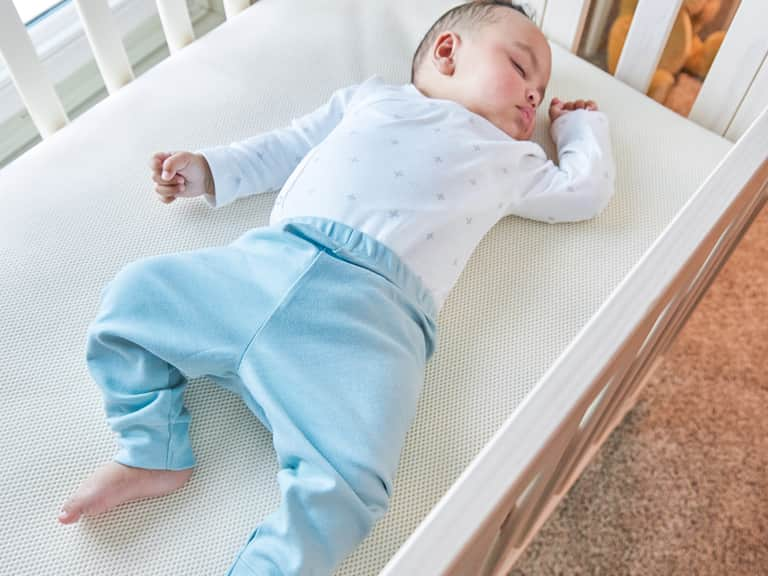
Mattress protectors and waterproof covers used in an infant’s sleep space require particular care. Follow the crib or bassinet manufacturer’s instructions and current safe-sleep guidance from trusted pediatric and public health sources. The sleep surface should be firm, flat, and correctly sized for the specific product; loose or ill-fitting layers can create serious hazards.
Do not add a separate protector, pad, topper, or other layer unless the sleep-product manufacturer says it is compatible and safe. A product designed for an adult mattress is not automatically suitable for a crib or bassinet. Check that any fitted layer is specifically intended for the exact model and that it does not interfere with a secure fit or the product’s safety instructions. When in doubt, ask the manufacturer or a pediatric health professional rather than improvising.
Common mistakes to avoid
- Choosing by bed size alone: A Queen protector may still be too shallow for a tall mattress or mattress-and-topper combination.
- Assuming every waterproof layer feels alike: Construction, surface fabric, and finishing can affect noise, softness, and temperature.
- Ignoring laundering details: Bleach or high-heat drying may damage some protectors, even when those methods are suitable for other bedding.
- Using an adult protector in a baby’s sleep space: Infant sleep products have specific fit and safety requirements.
- Expecting a protector to solve every sleep problem: It can help guard the mattress, but it does not correct a poor mattress fit, room-temperature issue, or medical concern.
A simple buying checklist
Before choosing a mattress protector, take a moment to answer a few practical questions:
- What do I need protection from: spills, everyday wear, or both?
- What are the mattress dimensions and full depth, including any topper?
- Will the protector be used on a standard, adjustable, split, crib, or bassinet setup?
- Does the surface fabric suit my preferences for softness, warmth, and noise?
- Can I follow the washing and drying instructions with my household laundry setup?
- Are the product claims, warranty, and care limitations clear enough for me to make an informed choice?
That checklist turns an easily overlooked bedding purchase into a straightforward comparison. It also helps keep attention on what matters most: reliable coverage, a secure fit, comfortable sleep, and maintenance you can realistically keep up with.
The bottom line
A useful mattress protector is one you barely notice while you sleep and can confidently care for when life gets messy. Compare the surface material and waterproof construction, measure the mattress carefully, and choose a design that suits your bed—including any adjustable or split-base features. Then follow the care label to help preserve its fit and function.
For Minnesota homes, think about the complete bedding setup through winter and summer: layers, indoor temperature, and how quickly washed items dry. A well-chosen protector will not change the season, but it can make everyday mattress care more manageable while supporting a clean, comfortable sleep environment.